
Catalexis Reaction Optimization Platform
Catalexis is an AI-driven platform for catalyst screening and reaction optimization, combining a curated 23-ligand phosphine kit with BayBE Bayesian machine learning to accelerate Buchwald-Hartwig aminations, Suzuki-Miyaura couplings, and any other chemical transformation. Built for both manual benchtop workflows and high-throughput experimentation (HTE), Catalexis replaces trial-and-error screening with data-driven ligand rankings and guided reaction optimization.
Not running a cross-coupling reaction? No problem. The BayBE-powered optimization portal is designed to be used without the phosphine ligand screening kit. Define your own reaction variables, ligand, base, solvent, temperature, equivalents, or any custom parameter, and let BayBE propose the most informative experiments to run next. It allows total flexibility for your reaction, across up to 1,000,000 reaction combinations.
How Catalexis works?
Catalexis operates in two phases. Phase 1 screens monophosphine ligands for Pd-catalyzed cross-coupling reactions, a single 23-ligand screen surfaces top performers from a database of 400+ phosphine ligands in days, not weeks. Phase 2 uses the BayBE optimization engine to explore and refine reaction conditions across any defined parameter space, for any reaction class, independently of Phase 1.
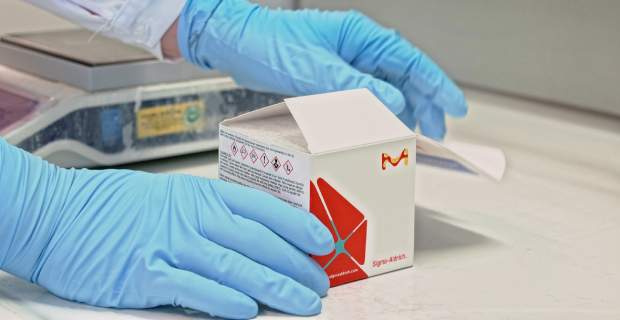
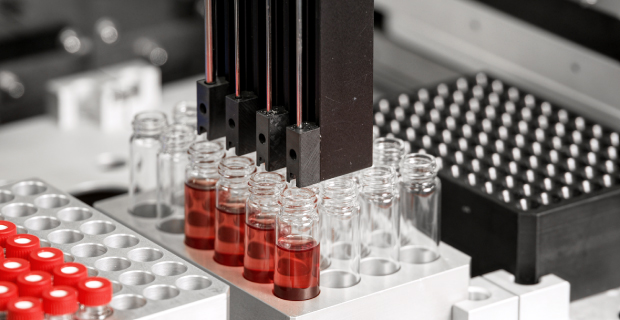
Step 2: Run Your 23‑Ligand Screening Reactions
Run your 23‑ligand screen using your chosen substrate and conditions, keeping all variables constant. Compatible with manual setups and automated HTE workflows.
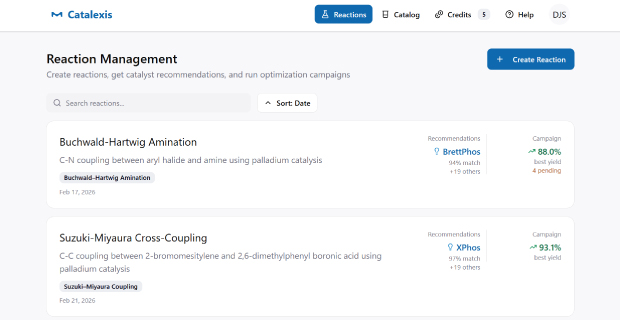
Step 3: Upload Your Reaction Results to the Catalexis Portal
Upload your reaction yields (0 -100) into the Catalexis portal and redeem 1 token to receive your top ligand candidates. No chemistry metadata needed.
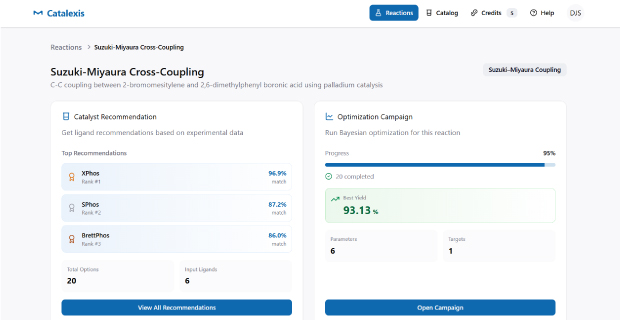
Step 4: Generate AI Driven Ligand Rankings Driven Ligand Rankings
Catalexis compares your data against its database of 400+ ligands and highlights top performers.
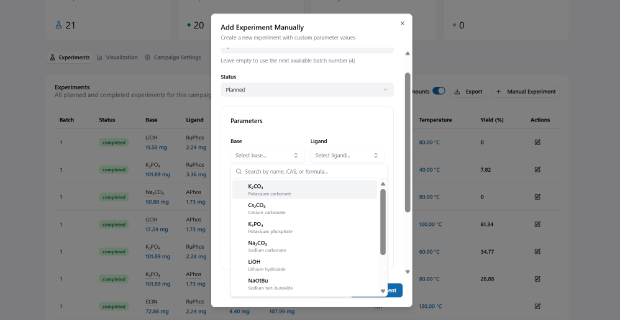
Step 5: Explore the Reaction Space with BayBE
Define your reaction parameters and let the BayBE (Bayesian back-end) ML engine propose the most promising next experiments within your chemical space, thereby, allowing you to sample the chemical space more efficiently than traditional DOE approaches.
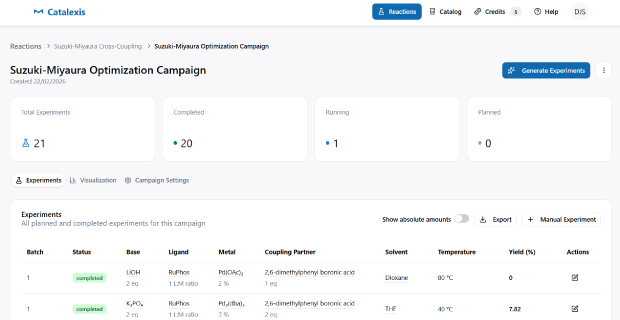
Step 6: Optimize With Guided Recommendations
Upload your new results and instantly receive suggested next conditions to continue improving yield
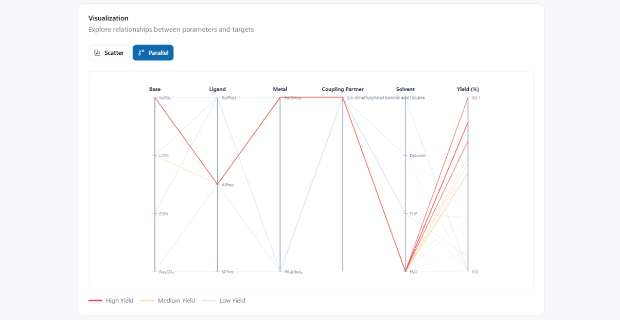
Step 7: Repeat to Refine Results
Iterate steps 5-6 until your reaction achieves the desired target, be it yield, conversion, byproduct limitation or other custom variable.
Why Choose Catalexis Over Traditional Catalyst Screening?
Related Products
User Testimonials
Discover how Catalexis is transforming labs – here’s what chemists are saying about their experience:
“Catalexis significantly streamlined our di-amination reaction optimization of 1,3-dichlorobenzene, saving time by providing a curated set of ligands to screen. After three rounds of screening, we identified the best ligand for our final industrial-scale process.”
Pharma Biotech Process Development Lab
“The suggested ligands delivered excellent results, including some I hadn’t initially considered trying.”
Academic Medicinal Chemistry Lab
"Catalexis is a nice tool wherein a kit of 23 ligands has the potential to evaluate and predict the performance of around 500 ligands with the help of AI."
Synthetic R&D Chemist
Related Resources
- Catalexis Reaction Optimization Platform FAQs
Explore Catalexis FAQs covering AI-guided catalyst screening, BayBE optimization, kit contents, workflow setup, data security, and purchasing.
- Aldrichimica Acta 57.1 Special Edition on Catalysis
Aldrichimica Acta covers diverse chemical research topics, fostering international collaboration in chemistry.