
436143

Dodecilsulfatosódico
ACS reagent, ≥99.0%

Alternativa más ecológica
Sinónimos:
Dodecil sulfato de sodio, Dodecil sulfato sodium salt, Lauril sulfato sodium salt, Laurilsulfato de sodio, SDS
Seleccione un Tamaño
Acerca de este artículo
grade
ACS reagent
Quality Segment
assay
≥99.0%
form
solid
mol wt
288.38 g/mol
sustainability
Sustainability features
description
anionic, 62
impurities
≤0.06 meq/g Titr. Base, ≥96.0% fatty alcohols, <4.0% unsulfated alcohols
loss
≤1.0% loss on drying
mp
204-207 °C (lit.)
solubility
H2O: soluble 1 gm in 10 ml (opalescent solution)
density
1.03 g/cm3 at 20 °C
cation traces
heavy metals (as Pb): ≤0.002%
λ
3 %H2O reference
UV absorption
λ: 220-350 nm Amax: ≤0.1
HLB
40
SMILES string
[Na+].CCCCCCCCCCCCOS([O-])(=O)=O
InChI
1S/C12H26O4S.Na/c1-2-3-4-5-6-7-8-9-10-11-12-16-17(13,14)15;/h2-12H2,1H3,(H,13,14,15);/q;+1/p-1
InChI key
DBMJMQXJHONAFJ-UHFFFAOYSA-M
General description
In protein biochemistry, SDS plays a pivotal role in protein extraction and SDS-PAGE (sodium dodecyl sulfate-polyacrylamide gel electrophoresis). Its ability to denature proteins by disrupting their secondary and tertiary structures allows for their uniform migration through a polyacrylamide gel matrix based on their molecular weight. This technique, SDS-PAGE, has become an indispensable tool for analyzing protein size and purity.
Beyond protein analysis, SDS also finds applications in nucleic acid extraction and hybridization techniques. Its detergent properties aid in the lysis of cells and the solubilization of cellular components, facilitating the extraction of DNA and RNA. This makes SDS a valuable reagent in various molecular biology protocols, including PCR (polymerase chain reaction) and Southern blotting. Sodium dodecyl sulfate stands as a versatile and widely used surfactant with a diverse range of applications due to its ability to solubilize, denature, and separate biological molecules for cell biology and biochemical research.
Application
Biochem/physiol Actions
Features and Benefits
- Highly versatile surfactant for your molecular biology and biochemical research
- Tested to confirm low levels of heavy metal contamination, ensuring suitability for various applications
Other Notes
Still not finding the right product?
Explore all of our products under Dodecilsulfatosódico


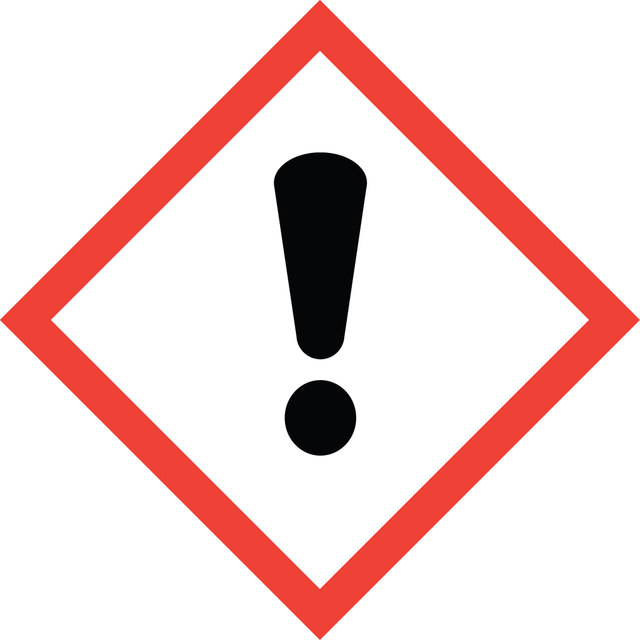
Palabra de advertencia
Danger
Códigos de peligro
Indicaciones de precaución
Hazard Classifications
Acute Tox. 4 Inhalation - Acute Tox. 4 Oral - Aquatic Chronic 3 - Eye Dam. 1 - Flam. Sol. 2 - Skin Irrit. 2 - STOT SE 3
Órganos diana
Respiratory system
Clase de almacenamiento
4.1B - Flammable solid hazardous materials
WGK
WGK 2
Punto de inflamación (°F)
338.0 °F
Punto de inflamación (°C)
170 °C
EPI (equipos de protección individual)
Eyeshields, Faceshields, Gloves, type P3 (EN 143) respirator cartridges
Elija entre una de las versiones más recientes:
¿Ya tiene este producto?
Encuentre la documentación para los productos que ha comprado recientemente en la Biblioteca de documentos.