
1.05686

Lithium fluoride
99.99 Suprapur®

Greener Alternative
Synonym(s):
Lithium fluoride
Sign In to View Organizational & Contract Pricing.
Select a Size
Change View
About This Item
Linear Formula:
LiF
CAS Number:
Molecular Weight:
25.94
UNSPSC Code:
12352302
EC Index Number:
232-152-0
NACRES:
NA.21
MDL number:
Quality Segment
description
for inorganic trace analysis
assay
99.99%
form
solid
potency
143 mg/kg LD50, oral (Rat)
sustainability
Sustainability features
technique(s)
AAS: suitable
bp
1676 °C/1013 hPa
mp
870 °C
density
2.64 g/cm3 at 20 °C
bulk density
600 kg/m3
storage temp.
2-30°C
SMILES string
[Li+].[F-]
InChI
1S/FH.Li/h1H;/q;+1/p-1
InChI key
PQXKHYXIUOZZFA-UHFFFAOYSA-M
General description
Click here for more information.
Application
- Radical Polymer-based Positive Electrodes for Dual-Ion Batteries: Describes the enhancement of battery performance through the use of γ-Butyrolactone-based electrolytes in conjunction with radical polymer-based positive electrodes, highlighting advances in lithium carbonate applications in battery technology (Rudolf K, et al., 2024).
- Analysis of Trace Impurities in Lithium Carbonate: Focuses on the precision analysis of impurities within pharmaceutical grade lithium carbonate, crucial for maintaining high purity standards in pharmaceutical applications (Suárez A, et al., 2024).
- Effects of Central Metal Ion on Binuclear Metal Phthalocyanine-Based Redox Mediator for Lithium Carbonate Decomposition: Investigates the role of central metal ions in enhancing the efficiency of lithium carbonate decomposition, important for environmental lithium analysis and recovery (Yan Q, et al., 2024).
- Selective preparation of lithium carbonate from overhaul slag by high temperature sulfuric acid roasting - Water leaching: Details a method for extracting high-purity lithium carbonate from industrial waste, demonstrating an environmentally friendly approach to lithium recovery (Dong L, et al., 2024).
- Reactive molecular dynamics simulations of lithium-ion battery electrolyte degradation: Explores the degradation mechanisms of lithium-ion battery electrolytes using simulations, contributing to the development of more durable lithium battery materials (Mabrouk Y, et al., 2024).
Analysis Note
Purity (metallic): ≥ 99.99 %
Ba (Barium): ≤ 5.0 ppm
Ca (Calcium): ≤ 2.0 ppm
Cd (Cadmium): ≤ 0.5 ppm
Co (Cobalt): ≤ 0.5 ppm
Cs (Cesium): ≤ 20 ppm
Cu (Copper): ≤ 0.5 ppm
Fe (Iron): ≤ 0.5 ppm
K (Potassium): ≤ 10 ppm
Mg (Magnesium): ≤ 0.5 ppm
Mn (Manganese): ≤ 0.5 ppm
Na (Sodium): ≤ 10 ppm
Ni (Nickel): ≤ 0.5 ppm
Pb (Lead): ≤ 0.5 ppm
Rb (Rubidium): ≤ 10 ppm
Sr (Strontium): ≤ 5 ppm
Zn (Zinc): ≤ 0.5 ppm
Legal Information
SUPRAPUR is a registered trademark of Merck KGaA, Darmstadt, Germany
Still not finding the right product?
Explore all of our products under Lithium fluoride
supp_hazards
WGK
WGK 2
Flash Point (°F)
Not applicable
Flash Point (°C)
Not applicable
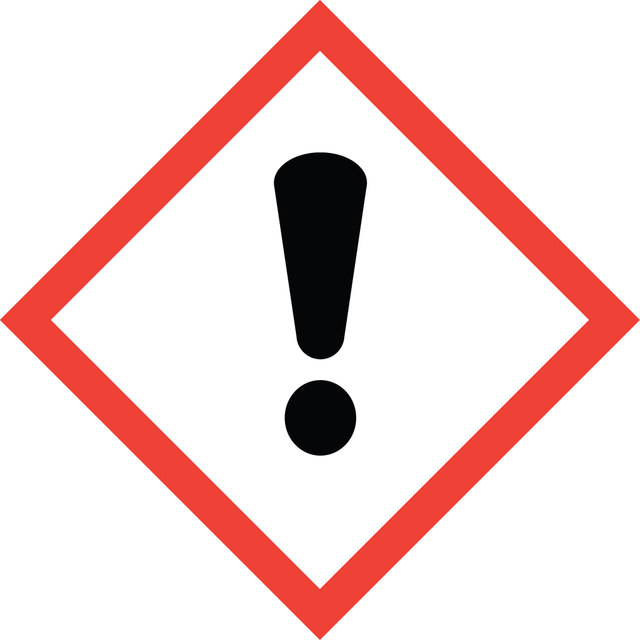
Signal Word
Warning
Hazard Codes
Precautionary Statements
Hazard Classifications
Acute Tox. 4 Oral - Eye Irrit. 2
Storage Class
6.1D - Non-combustible acute toxic Cat.3 / toxic hazardous materials or hazardous materials causing chronic effects
Choose from one of the most recent versions:
Already Own This Product?
Find documentation for the products that you have recently purchased in the Document Library.