
Skip to Content
Merck

402100

Rabbit Anti-Sheep IgG, H & L Chain Specific Peroxidase Conjugate

liquid, Calbiochem®

Sign In to View Organizational & Contract Pricing.

Select a Size


About This Item

UNSPSC Code:
12352203
Technical Service
Need help? Our team of experienced scientists is here for you.
Let Us Assist
Technical Service
Need help? Our team of experienced scientists is here for you.
Let Us Assist

biological source

rabbit

antibody product type

secondary antibodies

clone

polyclonal

form

liquid

contains

0.02% thimerosal as preservative

manufacturer/tradename

Calbiochem®

storage condition

do not freeze

isotype

IgG

shipped in

wet ice

storage temp.

2-8°C

Quality Level

General description

Immunoaffinity purified rabbit polyclonal antibody conjugated to horseradish peroxidase. Recognizes sheep IgG, heavy and light chains.
This Rabbit Anti-Sheep IgG, H & L Chain Specific Peroxidase Conjugate is validated for use in Enzyme Immunoassay, Immunoelectrophoresis for the detection of Sheep IgG, H & L Chain Specific.

Application

Enzyme Immunoassay (1:10,000)

Immunoelectrophoresis (see comments)

Packaging

Please refer to vial label for lot-specific concentration.

Physical form

In 10 mM PBS, 0.5 mM EDTA, 10% mannose, 2% sucrose, 1% BSA, pH 8.0.

Other Notes

o-Phenylenediamine, 1 mg/ml in citrate buffer, pH 4.5, 0.1% urea peroxide at 25°C, was used as substrate for testing immunoenzyme reactivity. Monospecific for sheep IgG, heavy and light chains, as determined by immunoelectrophoresis against normal sheep serum. Variables associated with assay conditions will dictate the proper working dilution.

Legal Information

CALBIOCHEM is a registered trademark of Merck KGaA, Darmstadt, Germany

Disclaimer

For U.S. Customers: Contains mercury; Do not place in trash - dispose according to local, state, or federal laws.
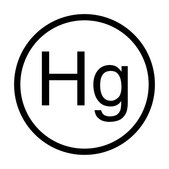
To comply with ban of sale of mercury-added products required by The Interstate Mercury Education and Reduction Clearinghouse (IMERC), this product is prohibited to be sold in the following US states: Rhode Island and Connecticut.
Toxicity: Standard Handling (A)

Not finding the right product?  

Try our Product Selector Tool.

Storage Class

10 - Combustible liquids

wgk

WGK 1


Certificates of Analysis (COA)

Search for Certificates of Analysis (COA) by entering the products Lot/Batch Number. Lot and Batch Numbers can be found on a product’s label following the words ‘Lot’ or ‘Batch’.

Already Own This Product?

Find documentation for the products that you have recently purchased in the Document Library.

Visit the Document Library

Juan C Mayo et al.
Journal of pineal research, 62(1) (2016-10-14)
Treatment of prostate cancer (PCa), a leading cause of cancer among males, lacks successful strategies especially in advanced, hormone-refractory stages. Some clinical studies have shown an increase in neuroendocrine-like cells parallel to the tumor progression but their exact role is
Kathryn A Stern et al.
The Biochemical journal, 410(3), 585-594 (2007-11-30)
EGF-R [EGF (epidermal growth factor) receptor] ligands can promote or inhibit cell growth. The biological outcome of receptor activation is dictated, at least in part, by ligand-specified patterns of endocytic trafficking. EGF-R trafficking downstream of the ligands EGF and TGF-alpha
Lawrence J Hayward et al.
The Journal of biological chemistry, 277(18), 15923-15931 (2002-02-21)
Over 90 different mutations in the gene encoding copper/zinc superoxide dismutase (SOD1) cause approximately 2% of amyotrophic lateral sclerosis (ALS) cases by an unknown mechanism. We engineered 14 different human ALS-related SOD1 mutants and obtained high yields of biologically metallated
Gina D Visser Smit et al.
Science signaling, 2(102), ra86-ra86 (2009-12-24)
Amino acid residues 1 to 434 of the E3 ubiquitin ligase Cbl control signaling of the epidermal growth factor receptor (EGFR) by enhancing its ubiquitination, down-regulation, and lysosomal degradation. This region of Cbl comprises a tyrosine kinase-binding domain, a linker
Hongyan Wang et al.
Human molecular genetics, 23(3), 668-681 (2013-10-11)
Amyotrophic lateral sclerosis (ALS) causes motor neuron degeneration and paralysis. No treatment can significantly slow or arrest the disease progression. Mutations in the SOD1 gene cause a subset of familial ALS by a gain of toxicity. In principle, these cases

Our team of scientists has experience in all areas of research including Life Science, Material Science, Chemical Synthesis, Chromatography, Analytical and many others.

Contact Technical Service