
CB1001

Anti-GAPDH Mouse mAb (6C5)
liquid, clone 6C5, Calbiochem®
Synonym(s):
Anti-Glyceraldehyde-3-Phosphate Dehydrogenase
Sign In to View Organizational & Contract Pricing.
Select a Size
Change View
About This Item
NACRES:
NA.41
UNSPSC Code:
12352203
Clone:
6C5, monoclonal
Species reactivity:
frog, human, porcine, chicken, canine, rabbit, mouse, fish, rat
Application:
—
Citations:
426
biological source
mouse
Quality Segment
antibody form
purified antibody
antibody product type
primary antibodies
clone
6C5, monoclonal
form
liquid
contains
≤0.1% sodium azide as preservative
species reactivity
frog, human, porcine, chicken, canine, rabbit, mouse, fish, rat
should not react with
bovine, yeast
manufacturer/tradename
Calbiochem®
storage condition
OK to freeze
dilution
(ELISA
Immunoblotting (1-10 µg/mL;
Immunocytochemistry )
isotype
IgG1
shipped in
wet ice
storage temp.
2-8°C
target post-translational modification
unmodified
Gene Information
human ... GAPDH(2597)
mouse ... Gapdh(14433)
rabbit ... Gapdh(100009074)
General description
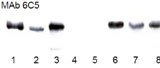
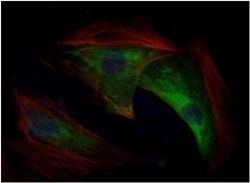
Anti-GAPDH, mouse monoclonal, clone 6C5, recognizes ~146 kDa GAPDH protein under non-reducing conditions & 36 kDa monomers under reducing conditions. It is validated for use in ELISA, WB, and IHC.
Protein A purified mouse monoclonal antibody. Recognizes the ~146 kDa GAPDH protein under non-reducing conditions and the ~36 kDa monomeric subunits under reducing conditions.
Recognizes the ~146 kDa GAPDH protein under non-reducing conditions and the ~36 kDa monomeric subunits under reducing conditions.
Immunogen
Rabbit
purified, rabbit muscle
Application
Packaging
Please refer to vial label for lot-specific concentration.
Physical form
In PBS, pH 7.4.
Preparation Note
Following initial use, aliquot and freeze (-20°C) for long-term storage if desired. Avoid freeze/thaw.
Analysis Note
Positive Control
Rat skeletal muscle
Rat skeletal muscle
Legal Information
CALBIOCHEM is a registered trademark of Merck KGaA, Darmstadt, Germany
Disclaimer
Toxicity: Highly Toxic (H)
Still not finding the right product?
Try our Product Selector Tool to narrow your options
Storage Class
10 - Combustible liquids
WGK
WGK 1
Flash Point (°F)
Not applicable
Flash Point (°C)
Not applicable
Choose from one of the most recent versions:
Already Own This Product?
Find documentation for the products that you have recently purchased in the Document Library.