
8.22034

4-(Dimethylamino)-cinnamaldehyde
for synthesis
別名:
4-(Dimethylamino)-cinnamaldehyde
ログインで組織・契約価格をご覧ください。
サイズを選択してください
表示を変更する
この商品について
化学式:
4-[(CH3)2N]C6H4CH=CHCHO
CAS番号:
分子量:
175.23
UNSPSC Code:
12352114
EC Index Number:
228-267-0
NACRES:
NA.22
MDL number:
eCl@ss:
32160703
Quality Segment
form
powder
mp
135-138 °C
storage temp.
2-30°C
SMILES string
N(C)(C)c1ccc(cc1)\C=C\C=O
InChI
1S/C11H13NO/c1-12(2)11-7-5-10(6-8-11)4-3-9-13/h3-9H,1-2H3/b4-3+
InChI key
RUKJCCIJLIMGEP-ONEGZZNKSA-N
Application
<ul>
<li><strong>High-resolution imaging of plant tissues:</strong> 4-dimethylaminocinnamaldehyde (DMACA) is used as a PA-specific fluorescent dye that allows localization of PAs at high resolution in cell walls and inside cells using confocal microscopy, revealing features of previously unreported wall-bound PAs (Chowdhury et al., 2022).</li>
<li><strong>Chromogenic reagent for dietary supplements:</strong> DMACA serves as a chromogenic reagent in a microplate spectrophotometric method, used for the analysis of indole-3-carbinol in dietary supplements, demonstrating its utility in enhancing the accuracy of supplement analysis (Chaisiwamongkhol et al., 2022).</li>
<li><strong>Development of fluorescent chemosensors:</strong> Utilized in the synthesis of the chemosensor NBF, which is employed for the detection of cyanide ions (Gao et al., 2022).</li>
</ul>
Analysis Note
Assay (HClO₄): ≥ 98.0 %
Melting range (lower value): ≥ 137 °C
Melting range (upper value): ≤ 140 °C
Identity (IR): passes test
Melting range (lower value): ≥ 137 °C
Melting range (upper value): ≤ 140 °C
Identity (IR): passes test
Still not finding the right product?
Explore all of our products under 4-(Dimethylamino)-cinnamaldehyde
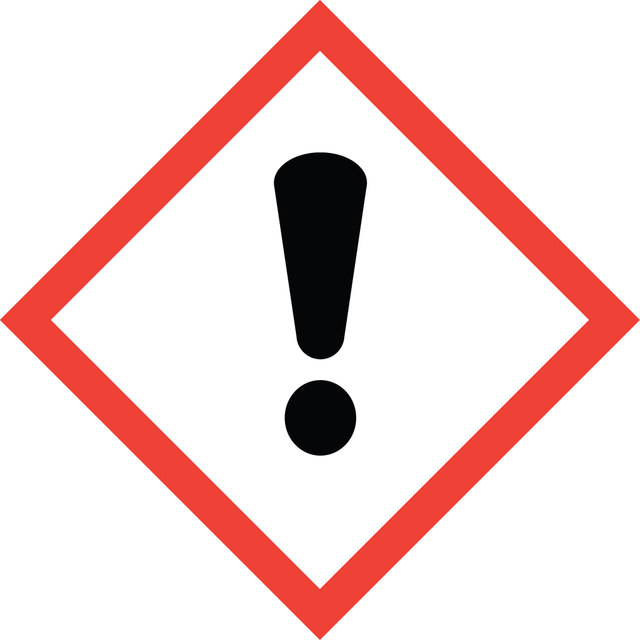
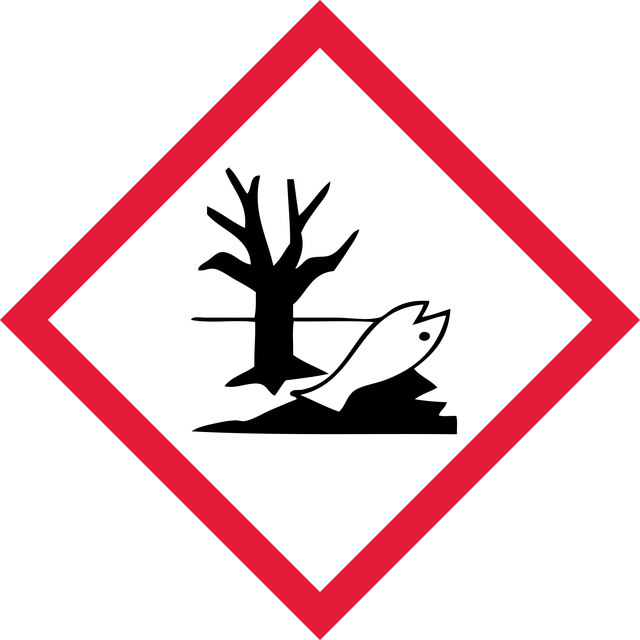
注意喚起語
Warning
ハザードコード
Hazard Classifications
Aquatic Chronic 2 - Eye Irrit. 2 - Skin Irrit. 2 - STOT SE 3
標的臓器
Respiratory system
保管分類
11 - Combustible Solids
WGK
WGK 3
引火点 (F)
Not applicable
引火点(°C)
Not applicable