


oral
653 Results
Advanced Search
Showing
Narrow Your Results Use the filters below to refine your search
Products by Type
Key Applications
Antibody Type
Format/Conjugation
Host
Species Reactivity
Research Category
Gene Symbol
Grade
Compare
Select the checkbox on up to 4 items, then click compare for a detailed product comparison
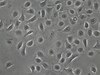
SCC469 Sigma-AldrichMOC1 Mouse Oral Squamous Cell Carcinoma (OSCC) Cell Line
The MOC (Mouse Oral Cancer) cell lines provide a syngeneic HNSCC cancer model that can be transplanted into C57BL/6 mice. These cell lines are important models for immune cell infiltration applications. The MOC lines have been utilized to compare and identify potential clinical scenarios that are applicable to human Oral Squamous Cell Carcinoma. The MOC1 cell line was derived from primary tumors in a C57BL/6 WT mouse and shows indolent growth compared with the aggressive, metastatic MOC2 line.

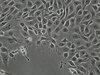
SCC470 Sigma-AldrichMOC2 Mouse Oral Squamous Cell Carcinoma (OSCC) Cell Line
The MOC (Mouse Oral Cancer) cell lines provide a syngeneic HNSCC cancer model that can be transplanted into C57BL/6 mice. These lines are important models for immune cell infiltration applications. The MOC lines have been utilized to compare and identify potential clinical scenarios that are applicable to human Oral Squamous Cell Carcinoma.The MOC2 cell line was derived from primary tumors in a C57BL/6 WT mouse and demonstrates an aggressive growth phenotype and decreased MHC I expression.
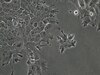
SCC471 Sigma-AldrichMOC22 Mouse Oral Squamous Cell Carcinoma (OSCC) Cell Line
The MOC (Mouse Oral Cancer) cell lines provide a syngeneic HNSCC cancer model that can be transplanted into C57BL/6 mice. These lines are important models for immune cell infiltration studies. The MOC lines have been utilized to compare and identify potential clinical scenarios that are applicable to human Oral Squamous Cell Carcinoma. The MOC22 cell line was derived from primary tumors in a C57BL/6 WT mouse and shows indolent growth compared with the aggressive, metastatic MOC2 line.
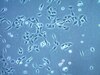
SCC180 Sigma-AldrichOECM-1 Human Oral Squamous Carcinoma Cell Line
OECM-1 human oral squamous carcinoma cell line is suitable for studies of cancer cell signaling, epithelial-mesenchymal transition (EMT), metastasis, invasion, and cancer cell stemness.

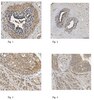
MABT379 Sigma-AldrichAnti-Anoctamin-1/TMEM16A Antibody, clone 5F8.1
This Anti-Anoctamin-1/TMEM16A Antibody, clone 5F8.1 is validated for use in western blotting & IHC for the detection of Anoctamin-1/TMEM16A.
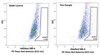
SCC072 Sigma-AldrichUM-SCC-104 HPV-16 Positive Squamous Carcinoma Cell Line
UM-SCC-104 is a unique head and neck squamous carcinoma (HNSCC) cell line derived from a 56-year old male with a recurrent oral cavity tumor naturally infected with high-risk human papillomavirus (HPV-16).

SCC193 Sigma-AldrichHSC-3 Human Tongue Squamous Carcinoma Cell Line
HSC-3 human tongue squamous carcinoma cell line is a suitable model for the study of metastatic squamous cell carcinoma.

CC165-350UG Sigma-AldrichECMatrix™-332 E8 Laminin Substrate
Xeno-free laminin-332 ECM coating for many epithelial cell types including skin keratinocytes, hair, RPE, oral, urinary, gastrointestinal and lung cells.
CC165-1050UG Sigma-AldrichECMatrix™-332 E8 Laminin Substrate
Xeno-free laminin-332 ECM coating for many epithelial cell types including skin keratinocytes, hair, RPE, oral, urinary, gastrointestinal and lung cells.
Recommended Products
-
SCC072 Sigma-Aldrich UM-SCC-104 HPV-16 Positive Squamous Carcinoma Cell Line