


squamous
327 Results
Advanced Search
Showing
Narrow Your Results Use the filters below to refine your search
Products by Type
Key Applications
Antibody Type
Cell Line Type
Format/Conjugation
Host
Species Reactivity
Research Category
Gene Symbol
Compare
Select the checkbox on up to 4 items, then click compare for a detailed product comparison
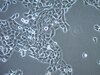
SCC070 Sigma-AldrichUM-SCC-1 Squamous Carcinoma Cell Line
UM-SCC-1 is a unique human head and neck squamous cell carcinoma (HNSCC) cell line isolated from a tumor located on the floor of the mouth of a male patient and is a suitable in vitro model of H&N carcinoma studies.

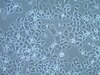
SCC073 Sigma-AldrichUM-SCC-6 Squamous Carcinoma Cell Line
UM-SCC-6 is a unique head and neck squamous carcinoma cell line isolated from a tumor located at the base of the tongue of a male patient and is a suitable in vitro model of H&N carcinoma studies.
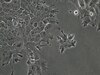
SCC471 Sigma-AldrichMOC22 Mouse Oral Squamous Cell Carcinoma (OSCC) Cell Line
The MOC (Mouse Oral Cancer) cell lines provide a syngeneic HNSCC cancer model that can be transplanted into C57BL/6 mice. These lines are important models for immune cell infiltration studies. The MOC lines have been utilized to compare and identify potential clinical scenarios that are applicable to human Oral Squamous Cell Carcinoma. The MOC22 cell line was derived from primary tumors in a C57BL/6 WT mouse and shows indolent growth compared with the aggressive, metastatic MOC2 line.
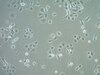
SCC280 Sigma-AldrichSCC-61 Human Squamous Cell Carcinoma Cell Line
SCC-61 human squamous cell carcinoma cell line is a good model for studying radiation resistance in SCC cancer cells.
SCC469 Sigma-AldrichMOC1 Mouse Oral Squamous Cell Carcinoma (OSCC) Cell Line
The MOC (Mouse Oral Cancer) cell lines provide a syngeneic HNSCC cancer model that can be transplanted into C57BL/6 mice. These cell lines are important models for immune cell infiltration applications. The MOC lines have been utilized to compare and identify potential clinical scenarios that are applicable to human Oral Squamous Cell Carcinoma. The MOC1 cell line was derived from primary tumors in a C57BL/6 WT mouse and shows indolent growth compared with the aggressive, metastatic MOC2 line.
SCC075 Sigma-AldrichUM-SCC-17B Squamous Carcinoma Cell Line
UM-SCC-17B is a unique head and neck squamous carcinoma cell line derived from the metastatic neck tumor of a 48-year old female patient and is a suitable in vitro model of H&N carcinoma studies.
SCC470 Sigma-AldrichMOC2 Mouse Oral Squamous Cell Carcinoma (OSCC) Cell Line
The MOC (Mouse Oral Cancer) cell lines provide a syngeneic HNSCC cancer model that can be transplanted into C57BL/6 mice. These lines are important models for immune cell infiltration applications. The MOC lines have been utilized to compare and identify potential clinical scenarios that are applicable to human Oral Squamous Cell Carcinoma.The MOC2 cell line was derived from primary tumors in a C57BL/6 WT mouse and demonstrates an aggressive growth phenotype and decreased MHC I expression.
SCC076 Sigma-AldrichUM-SCC-22A Squamous Carcinoma Cell Line
UM-SCC-22A is a unique head and neck squamous carcinoma cell line obtained from the surgical resection of the primary cancer of the hypopharynx of a female patient and is a suitable in vitro model of H&N carcinoma studies.

SCC287 Sigma-AldrichSQ-20B Human Squamous Cell Carcinoma Cell Line
SQ-20B human squamous cell carcinoma cell line is a widely used model for radiation-resistant HNSCC.
SCC074 Sigma-AldrichUM-SCC-17A Squamous Carcinoma Cell Line
UM-SCC-17A is a unique head and neck squamous carcinoma cell line isolated from the primary laryngeal carcinoma of a 48-year old female patient who failed to respond to radiation therapy and is a suitable in vitro model of H&N carcinoma studies.