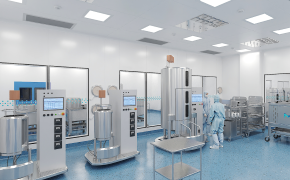
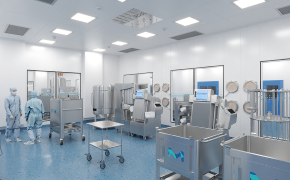
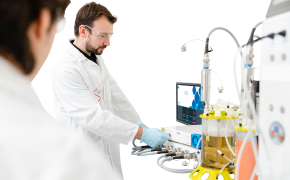
공정 분석 기술(PAT)은 공정을 실시간으로 모니터링하고 제어함으로써 바이오의약품 제조의 품질을 보장합니다. 이 기술은 분석 도구를 활용하여 원료 및 장비의 변동성을 수용할 수 있는 제조 공정을 개발합니다. 핵심 품질 속성(CQA)에 영향을 미치는 핵심 공정 매개변수(CPP)가 확인되면, 분석 방법을 활용하여 CPP를 모니터링 및 제어함으로써 이를 원하는 설계 범위 내에 유지합니다. 이러한 접근 방식은 최종 단계에서의 제품 시험에만 의존하는 대신, 품질 설계(QbD) 원칙을 공정 자체에 통합합니다.
실시간 라만 모니터링
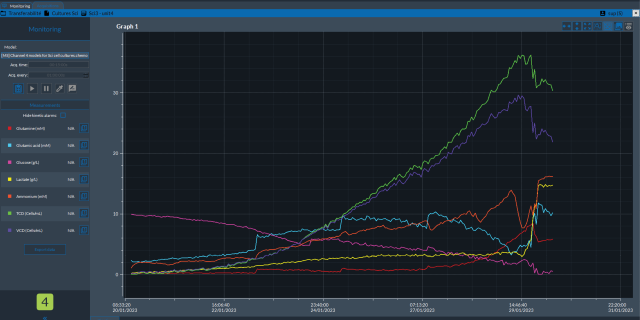
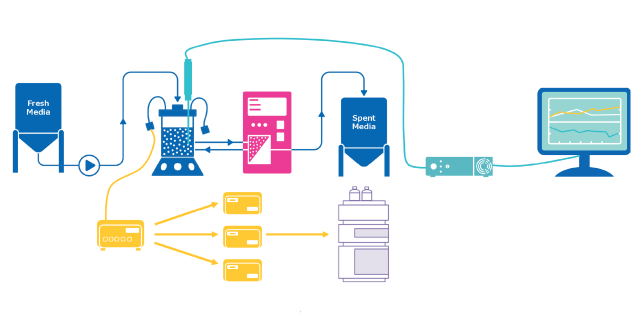
라만 분광법은 PAT(공정 분석 기술) 구현에 사용되는 다양한 도구 중 하나입니다. 이 광학 분석 기법은 분자의 고유한 지문을 통해 분자를 식별하며, 바이오의약품 공정에 매우 적합합니다. 높은 분자 특이성과 물로 인한 간섭이 최소화되어, 복잡한 수성 바이오의약품 용액에서도 여러 매개변수를 동시에 모니터링할 수 있습니다. 라만 분광법은 비파괴적이고 재현성 있는 방식으로 화학적 조성 및 분자 구조를 파악할 수 있게 하여, 분해, 불안정성 또는 시료 전처리로 인한 화학적 정보 손실 위험을 제거합니다. 예를 들어, 이 기술을 사용하여 포도당, 젖산, 세포 밀도, 암모늄과 같은 세포 배양 핵심 공정 매개변수(CPP)는 물론, 단백질 역가, 당화, 응집과 같은 핵심 품질 특성(CQA)을 모니터링할 수 있습니다. 분석은 널리 사용되는 다른 센서들과 함께 공정 내에 프로브를 삽입하여 수행됩니다. 따라서 라만 기술은 공정의 실시간 모니터링 및 자동화를 가능하게 할 뿐만 아니라, 분석을 위해 품질 관리(QC) 실험실로 보낼 시료를 채취할 필요도 없애줍니다. 그러나 사용자의 선호나 특정 공정 설정에 따라 온라인, 앳라인 또는 오프라인 측정 옵션도 제공합니다.
세포 배양 멀티테스트 분석기, 세포 생존율 분석기 또는 HPLC와 같은 기존의 오프라인 분석 방법과 비교할 때, 라만 분광법은 업스트림(USP) 및 다운스트림(DSP) 공정 모두에서 다음과 같은 뚜렷한 이점을 제공합니다:
- 단일 프로브를 통한 다중 특성 모니터링
- 세포 배양 성장 과정 중 자동 공급 전략 구현
- 단일 스펙트럼으로 수집되는 포괄적인 화학적 및 생물학적 정보
- 실시간 및 현장 측정 가능
- 비파괴 분석
- 필요에 따라 인라인 프로브 또는 온라인, 앳라인, 오프라인 모드를 사용하여 간편하게 구현
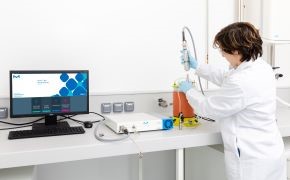
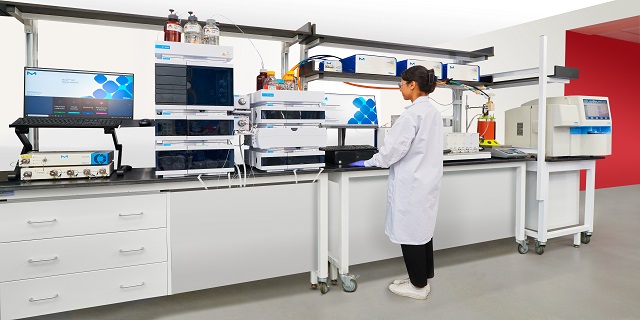
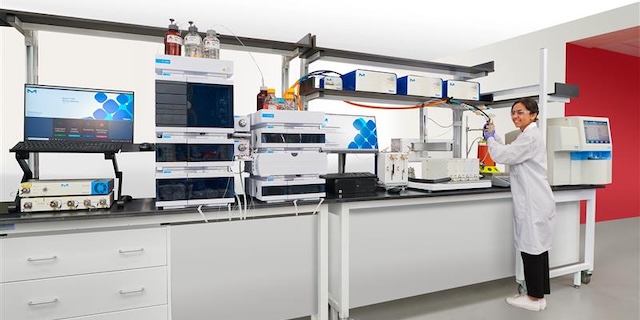
바이오 공정 산업을 위해 특별히 설계된 ProCellics™ 라만 분석기는 공정 개발부터 제조에 이르기까지 USP 및 DSP 바이오 공정을 모니터링하여 정성 및 정량 분석을 수행하는, 사용이 간편한 공정 분석 기술(PAT) 플랫폼입니다.
이 플랫폼은 공정에 대한 이해를 높이고 자동화된 공정 제어 전략의 구현을 가능하게 합니다. 또한 수동 시료 채취에 비해 시간을 절약하고, 작업자에게 유연성을 제공하며, 오염 위험과 배치 불량 발생을 줄여줍니다. 그 결과, 사용자는 자신감을 가지고 세포 배양 공정을 관리할 수 있습니다.
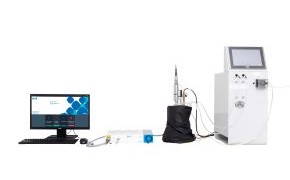
ProCellics™ 라만 분석기는 제조 요구 사항에 완벽하게 부합하는 두 가지 구성으로 제공되며, 공정 개발부터 제조에 이르기까지 다양한 모니터링 요구 사항을 충족합니다.
단일 채널 장치는 단일 프로브로 배양액을 모니터링할 수 있습니다. 이 패키지에는 785 nm 레이저가 장착된 베이스 유닛, 프로브 1개, 액세서리, 그리고 Bio4C® PAT 라만 소프트웨어가 탑재된 올인원 컴퓨터가 포함되어 있습니다.
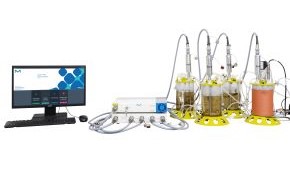
이 다중 채널 유닛을 사용하면 동일한 시스템 설치 공간 내에서 최대 4개의 배양물을 동시에 모니터링할 수 있습니다. 패키지에는 785 nm 레이저가 장착된 베이스 유닛, 4개의 프로브가 포함된 다중 채널 유닛, 액세서리, 그리고 Bio4C® PAT 라만 소프트웨어가 탑재된 올인원 컴퓨터가 포함되어 있습니다.
특정 소프트웨어 기능과 결합된 첨단 프로브 튜브를 통해 빛 간섭의 영향을 상쇄할 수 있으므로, 생물반응기를 광선으로부터 차폐할 필요가 없습니다.
이는 다양한 단위 공정 전반에 걸쳐 라만 기술의 확장성을 강화하여, 일회용 시스템에서 다회용 시스템으로, 그리고 공정 개발과 제조 단계 간의 서로 다른 규모로 원활하게 전환할 수 있게 해줍니다.
관련 카테고리
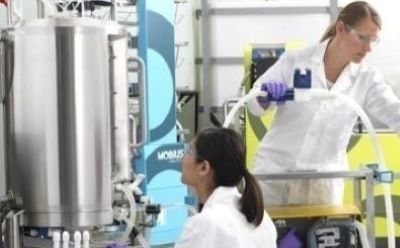
당사의 기성 및 맞춤형 생물공정 세포 배양 배지(CCM) 제품은 상류 공정 단계의 단일클론항체(mAb), 백신, 유전자/세포 치료제 공정에서 생산성을 높여줍니다.
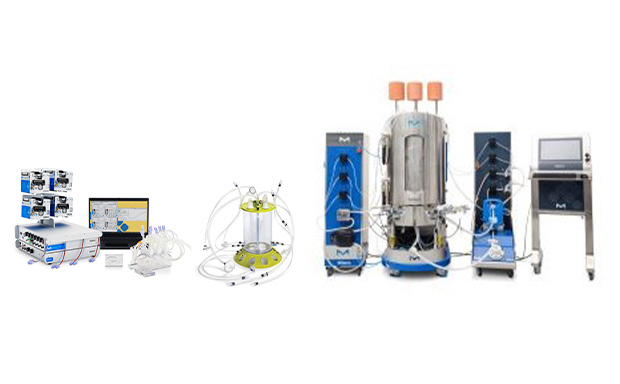
Mobius® 바이오리액터 제품군에는 벤치 스케일(2mL 및 3L), 파일럿, 임상용 및...
당사의 세포 유지 용액을 통해 관류 시드 트레인의 효율을 높여보세요. 실시간 모니터링 및 제어 기능이 제공됩니다.
관련 자료
- 논문: 라만 즉시 사용 가능한 모델을 활용한 직접 상류 모니터링
라만(Raman) 즉시 사용 가능한 모델이 어떻게 교정을 간소화하고, 별도의 맞춤 교정 없이도 업스트림 공정에서 CPP 및 CQA를 실시간으로 모니터링할 수 있게 하는지 알아보세요. 업스트림 및 다운스트림 실행 결과를 확인하고, 단 한 번의 배치 후에도 전이 학습을 통해 모델 정확도를 어떻게 미세 조정할 수 있는지 살펴보세요.
- 응용 노트: ProCellics™ 라만 분석기를 이용한 AAV 상류 공정에서 CPP 및 캡시드 역가 인라인 모니터링
인간 배아 신장(HEK) 세포 바이오리액터에서 AAV 생산 시 핵심 공정 매개변수(CPP) 및 캡시드 역가를 인라인으로 모니터링할 수 있는 ProCellics™ 라만 분석기를 살펴보세요.
- 데이터 시트: Bio4C® PAT 라만 소프트웨어가 탑재된 ProCellics™ 라만 분석기
바이오 공정 산업을 위해 특별히 설계된 ProCellics™ 라만 분석기는 Bio4C® PAT 라만 소프트웨어와 함께 사용함으로써, 공정 개발 단계부터 제조 단계에 이르기까지 CPP 및 CQA에 대한 인라인 및 실시간 측정을 수행할 수 있게 해줍니다.
- 응용 노트: 라만 기술과 자동 시료 채취 기술을 결합하여 원활하고 재현성 높은 실시간 모니터링을 위한 가속 라만 모델 보정 구현
자동 시료 채취가 바이오리액터 응용 분야에서 라만 분석기의 통합을 어떻게 가속화하여 라만 모델 구축 단계를 앞당기고, 제조 공정 중 핵심 공정 매개변수(CPP) 및 핵심 품질 속성(CQA)에 대한 인라인 실시간 모니터링을 용이하게 하는지 살펴보세요.
- 응용 노트: 라만 분광법을 이용한 밝은 환경에서의 생물공정 모니터링
이 애플리케이션 노트는 일반 조명 환경에서 실험실 및 제조 규모로 라만 기술을 쉽게 도입할 수 있도록 지원하는 첨단 솔루션을 소개하며, 이를 통해 핵심 공정 매개변수(CPP) 및 핵심 품질 특성(CQA)을 일관되게 모니터링할 수 있도록 합니다.
- 응용 노트: 세포 배양 공정에서 라만 분석 구현을 간소화하는 혁신적인 접근 방식: 단일 배치 교정
이 새로운 모델링 접근 방식은 라만 분석 수행 과정에서 여러 번의 보정 배치를 거칠 필요가 없게 하여, 더욱 간소화되고 효율적인 워크플로우를 가능하게 합니다.
- 응용 노트: 실시간 및 인라인 라만 분광법: 당화 품질 분석을 들여다보는 창
이 사례 연구는 피드배치 공정 중 단일클론 항체(mAb)의 당쇄 프로파일을 모니터링하는 데 라만 기술의 효과성을 입증하며, 견고한 예측 모델이 당화 프로파일 모니터링을 어떻게 용이하게 하는지 보여줍니다.
- 응용 노트: 라만 분광법을 이용한 CHO 세포 배양 공정 매개변수의 인라인 실시간 모니터링
세포 배양 과정은 복잡하고 변동성이 매우 크지만, 일반적으로는 온도, pH, 용존 산소(DO)와 같은 소수의 주요 매개변수만 실시간으로 제어됩니다.
- 응용 노트: CHO 세포 관류 배양의 CPP 실시간 모니터링을 위한 라만 분광법 적용
이 애플리케이션 노트에서는 포유류 관류 세포 배양에서 핵심 공정 매개변수(CPP)를 인라인 및 실시간으로 모니터링하기 위한 라만 분광법 소프트 센서 구현 사례 연구를 소개합니다.
- 응용 노트: CHO 세포 배양에서 라만 분광법을 이용한 포도당 조절의 원활한 통합
바이오의약품 산업에서는 공정 분석 기술(PAT)과 설계 기반 품질 관리(QbD)를 활용하여 공정에 품질이 내재되도록 보장하고, 혁신적인 품질 개선을 달성하고 있습니다.
- 응용 노트: 라만 분광법을 이용한 효율적인 세포 배양 모니터링을 위한 무세포 모델링 접근법
이 새로운 합성 모델 접근 방식은 라만 보정 단계에 소요되는 시간과 자원을 상당히 절감시켜, 해당 단계를 불과 며칠로 단축시킵니다.
- 기사: 일괄 교정: 라만 분석 도입을 간소화하기 위한 공정·기기·저울·설비 위치에 구애받지 않는 방법
Challenges associated with Raman spectroscopy implementation in bioprocesses can be overcome by the innovative one-batch calibration approach. This streamlined process requires less time and resources compared to traditional approaches, unlocking Raman benefits for biopharmaceutical applications.